Notes on hiring engineers across the border
Written by the person doing the vetting. No listicles.

Latest Articles

Why Nearshore Wins for AI Talent (And Why Offshore Can't Keep Up)
AI talent is scarce and expensive. Offshore seems like the answer - until you hit timezone, attrition, and knowledge-loss problems. Here's why Canadian nearshore is winning the AI hiring race.

The Barbell Effect: Why Entry-Level Hiring is Collapsing and What Smart Teams Do Instead
Entry-level hiring is down 73%. AI has collapsed the junior market. Here's what teams need to do to scale hiring in 2026.

The Attrition Trap: Why Offshore Developers Keep Costing You More Than Nearshore
Offshore developers cost 50% less. Until they leave. Here's the math on why constant offshore turnover makes nearshore hiring the cheaper move.

Senior Judgment Over Headcount: Why AI Changed Developer Hiring in 2026
AI eliminated the junior developer role. What companies need now is senior judgment. Here is why hiring strategy flipped and how to adapt.

Why Your Offshore Team Keeps Falling Apart: The 2026 Attrition Data (And What Actually Works)
Offshore teams lose 20-30% of developers annually. Nearshore retains better. Here is the data on why offshore churn happens and what companies are doing instead.

Why Continuous Developer Upskilling Changes Everything About Hiring
Most companies hire once and hope their developers stay sharp. The smart ones invest in upskilling. This is why it changes your entire hiring strategy.

The Developer Market Just Shifted - Why Your Hiring Strategy Is Out of Date
The post-AI hiring market changed faster than most teams adapted. Your 2024 hiring playbook is burning money. Here is what changed and what to do instead.

The Hidden Cost of Offshore: A CTO's Breakdown of What You're Really Paying
Offshore hiring promises 50% cost savings. A year later, your actual spend is higher, your team is exhausted, and your best people are leaving. Here's the real math.

The Manager's Dilemma: Why Your Best Engineer Struggles to Lead Async Teams
Synchronous management breaks in async-first distributed teams. Learn why your best IC fails as a manager, how to prevent retention collapse, and strategies for leading remote teams across time zones.

Why Nearshore Is Beating Offshore in 2026 (And the Data Proves It)
The offshore model is showing its age. Here's why US companies are switching to nearshore - and the metrics that matter.

The First 90 Days: How to Set Up Nearshore Developers for Success
Onboarding Canadian developers correctly determines whether they stay for years or leave in 12 months. Here's the playbook.

Why Your Hiring Speed Is Burning Out Your Best Developers
Fast hiring feels like a win until your developers start leaving. The speed-at-all-costs approach creates burnout before day one - and nearshore hiring offers a smarter path.

Async-First Thinking: The Nearshore Advantage Most Teams Miss
Time zones don't fix distributed teams - but async-first culture does. How to extract real productivity from nearshore hiring.

The Hidden Cost of Hiring Speed: Why Fast Placements Destroy Productivity
Speed-first hiring burns teams. Fast placements cost $150K-$300K per bad hire in onboarding waste and productivity loss. Precision hiring with vetted Canadian developers outperforms quick placements in 2026.

Why You Cannot Find the Senior Developer You Need: The Credentialism Trap
Job descriptions ask for unicorns. Candidates have the skills but wrong badge. Here is why credential inflation broke hiring - and how to actually evaluate developers.

The Technical Founder Advantage: Why Hiring Quality Developers Requires Someone Who Builds
A developer who passes interviews but ships bad code slipped through. The difference between technical interview success and actual work quality is the difference between a founder who codes and a recruiter who doesn't.

The Retention Tax: Why Hiring for Fit Costs Less Than Hiring for Speed
Replacing a mid-level engineer costs $80K-$120K. High churn is a tax on your company. Here is why hiring for retention - not speed - is your best cost savings strategy.

Quality Over Velocity: Why Hiring Fewer Great Developers Beats Hiring Fast
Hiring fast feels productive but costs $63K per bad senior hire. Teams of five great developers ship more than teams of eight with mediocre developers. Here is why selective hiring beats speed.
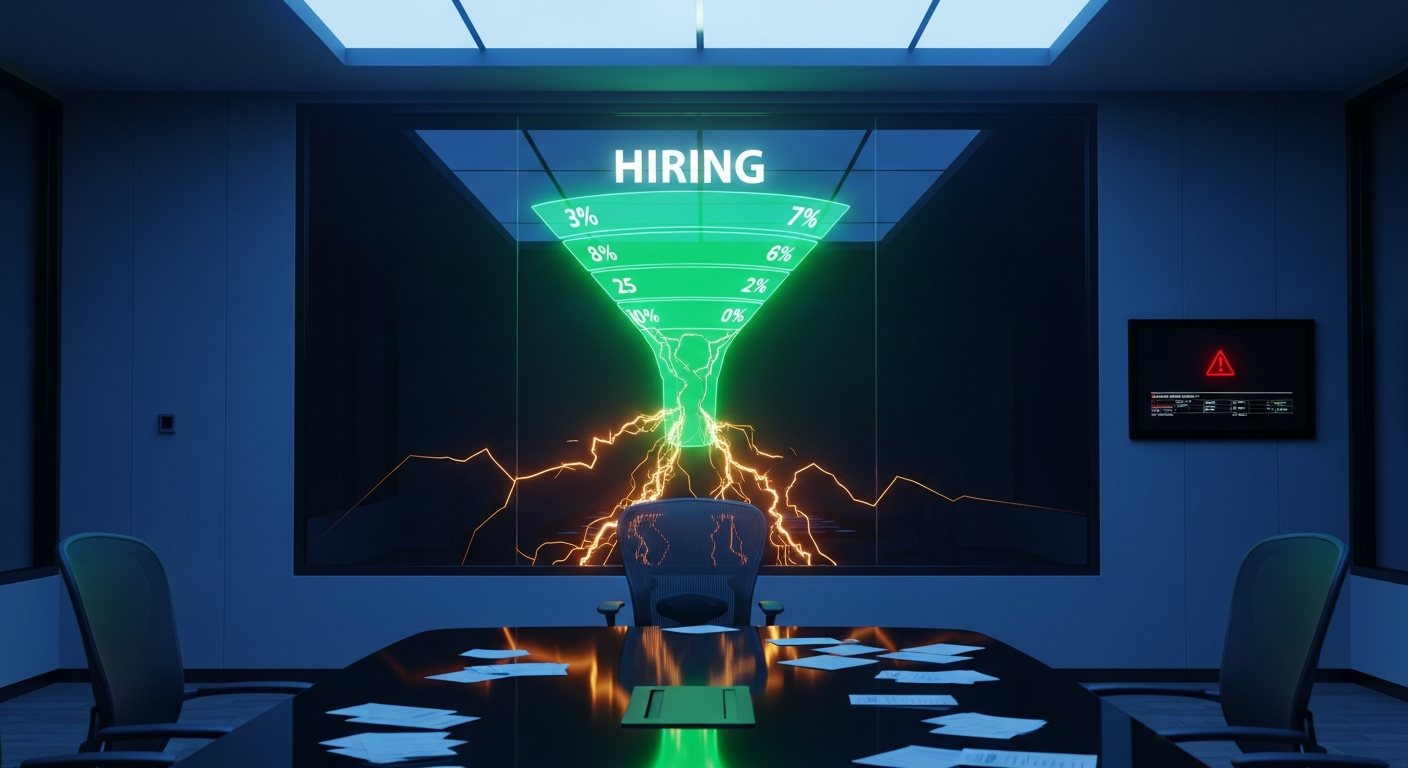
The Hiring Breakdown: 5 Warning Signs Your Growing Company's Hiring Is Failing
Your metrics look clean but your team is falling apart. Learn five warning signs of hiring process failure and how pre-vetted Canadian developers with strong cultural fit improve retention and team stability.

Building Engineering Culture with Distributed Teams: How to Keep Remote Developers Engaged and Aligned
Most companies hire strong developers but fail at culture. Remote developers who feel like outsiders leave within 18 months. Here is how to build culture that spans time zones.

The Credentials Illusion: Why Traditional Hiring Signals Are Broken for Developer Talent
Degrees and FAANG experience don't predict developer quality anymore. Learn what actually signals a strong engineer, why Canadian developers outperform credential-based hiring, and how to evaluate talent beyond the resume.

Nearshore Canada vs. LATAM vs. Eastern Europe: Which Region Is Right for Your US Engineering Team?
An honest comparison of the three main nearshore regions for US engineering teams — Canada, Latin America, and Eastern Europe — covering timezone fit, talent quality signals, legal structure, and which use cases each region handles best.

How to Hire AI and ML Engineers Who Actually Ship to Production
Hiring AI and ML engineers is harder than it looks. Here is what to assess, where to find talent, and why Canada is producing some of the best applied ML engineers in the world.

Why You Can't Find Good Senior Developers (And You're Actually Asking For the Wrong Thing)
Companies claim they can't find senior developers. The real problem: they're defining seniority by years, not by judgment. Here's what actually makes someone a true senior.

What It Actually Takes to Hire a Developer in an AI-Augmented World
AI coding tools changed what companies should value in developers. Here's how to hire for judgment, not just syntax.

Why Canadian Engineers Prefer Working for US Companies — And What That Means for Your Hiring
Canadian software engineers consistently choose US remote employers over Canadian companies. Understanding why gives US hiring teams a structural advantage that most companies miss.

EOR, Contractor, or Canadian Subsidiary: Which Structure Is Right for Your First Canadian Hire?
Compare EOR, contractor, and subsidiary structures for hiring Canadian developers: cost, compliance, tax implications, and when each model works best.

The Silent Tax of Wrong Hiring: Why Cheap Recruiting Costs You Millions
Bad hires cost companies 2-3x annual salary to replace. Yet most teams skip deep vetting to hire faster. Here's why the math doesn't work.

How AI Changed What Companies Should Actually Test For in Technical Interviews
Your technical interview process is screening out your best developers. Here is why AI fluency requires a completely different evaluation approach.

The Recruiting Paradox of 2026: Why Hiring Fast Is Slowing You Down
61% of tech companies are accelerating hiring in 2026. But speed-focused recruiting creates cultural friction and integration delays that destroy more velocity than they save.

US Tech Companies Hiring in Canada: What's Working in 2026
Why US tech companies are increasingly hiring Canadian engineers in 2026 — and the three models that actually work. EOR, subsidiaries, cross-border contractors, and what the companies doing it well have figured out.

Why Your Best Developers Will Leave After 18 Months: The Retention Problem Most Nearshore Companies Miss
Canadian nearshore developers often leave within 18 months. Understand the root causes: integration gaps, compensation ceilings, and vague career progression. Learn how to fix retention.

Why Your Technical Interview Process Is Screening Out Your Best Developers
Most technical interview processes optimize for a single skill: performing under pressure. That's not the same as being a good developer. Here's what you're missing and how to fix it.
Hiring Canadian Tech Talent: The U.S. Company Playbook for 2026
The definitive guide for US companies hiring Canadian software engineers in 2026. Time zone alignment, vetting criteria, engagement models, cost structure, and what separates great Canadian hires from mediocre ones.
How to Hire Canadian Software Engineers for US Companies: The Complete 2026 Guide
Everything US companies need to know about hiring Canadian software engineers: time zone alignment, rigorous vetting, legal setup, and how to find and retain top-tier talent.

The Communication Velocity Gap: Why Nearshore Hiring Compounds Your Productivity
Canadian developers working in your time zone ship faster. Async-available communication cuts coordination overhead offshore can't match. Why nearshore teams outperform remote hires from across the globe.

What Is a Forward Deployed Engineer? The Role Redefining Enterprise AI
Forward Deployed Engineers (FDEs) are the fastest-growing role in tech — 800% demand growth in 18 months. Here's what they actually do, why they're different from Solutions Engineers, and why Canadian engineers are one of the best sources for this talent.

The Offshore Collapse of 2026: Why Companies Are Finally Abandoning the Cost-First Model
Companies are abandoning offshore hiring in 2026. The cost savings never materialized, but Canadian nearshore talent delivers what offshore promised - for less total cost.

The Specialist Shortage: Why Your Hiring Playbook for Generalists Is Costing You
Generalist developers were the safe hire in 2024. In 2026, the market demands specialists. Here is why your hiring strategy needs to shift—and how to do it.

The Three Forces Reshaping Tech Hiring in 2026 (And Why Canadian Talent Wins)
AI demand, H-1B restrictions, and skills-first hiring are colliding. Here is why nearshore Canadian talent is the competitive advantage smart companies are deploying.

Precision Hiring Over Speed: Why the Market Fundamentally Shifted in 2026
Speed hiring burns teams. Precision hiring builds them. How deep vetting, nearshore Canadian developers, and retention-focused hiring outperform quick placements in 2026.

Why Smart Companies Are Hiring Experienced Developers Over Entry-Level Talent in 2026
Entry-level hiring is down 73%. Here is why experienced developers are now the strategic hire for scaling teams in 2026.

The 2026 Developer Shortage Is Real. Here is Why Canadian Talent Just Became Critical
The 2026 developer shortage is critical. Canadian nearshore developers offer the fastest hiring path without offshore time zone friction or communication delays.

Why Skills-Based Hiring Is Your Competitive Edge in 2026
Skills-based hiring cuts through resume theater. Learn why 75% of top recruiters are switching to technical evaluation—and how it changes who you can hire.

Why Your Developer Vetting Process Is Just Resume Theater
Most companies think they are vetting developers. They are pattern-matching resumes. Here is what real technical screening looks like - and why it determines retention.

Why Engineering Leaders Are Choosing Canadian Developers After the H-1B Fee Change
The new $100K H-1B visa fee is forcing US engineering teams to rethink cross-border hiring. Canadian nearshore talent offers a faster, visa-free path without the offshore trade-offs.

Scaling From 10 to 30 Engineers Without Breaking What Works
Growing your engineering team fast is hard. Growing it fast without wrecking your culture and velocity is harder. Here is how to do it right.

Your Hiring Process Is Too Slow for the 2026 Developer Market
Senior developers disappear in 10 days. Two-month hiring cycles lose every top candidate. Pre-vetted Canadian nearshore talent cuts weeks off your pipeline without sacrificing quality.

Why the Best Engineering Teams Are Hiring Fewer Developers in 2026
Five exceptional engineers outperform twelve average ones. Smart teams hire fewer, better developers with deep vetting and nearshore Canadian talent that integrates like local hires.
Developer Retention Is the Hiring Metric Nobody Optimizes For - And It Is Costing You Millions
Developer churn costs $250K+ per departure. Most companies optimize time-to-hire instead of retention. Pre-vetted Canadian nearshore talent and cultural screening fix the real problem.

Why Your Offshore Development Team Is Costing More Than You Think
Offshore dev rates look cheap until you add rework, attrition, and timezone delays. Canadian nearshore developers cost less total when you factor in velocity, retention, and real-time collaboration.
AI Changed What a Good Developer Looks Like - Is Your Hiring Process Keeping Up?
AI tools reshaped how great developers work. Most hiring processes still test for the old model. Here is what to screen for in 2026 and how pre-vetted nearshore talent solves the AI fluency gap.

The True Cost of a Bad Engineering Hire (And How to Avoid It)
A bad engineering hire costs $400K+ when you factor in lost productivity, team morale, and turnover. Here's why deep technical vetting and pre-screened candidates save companies six figures per role.
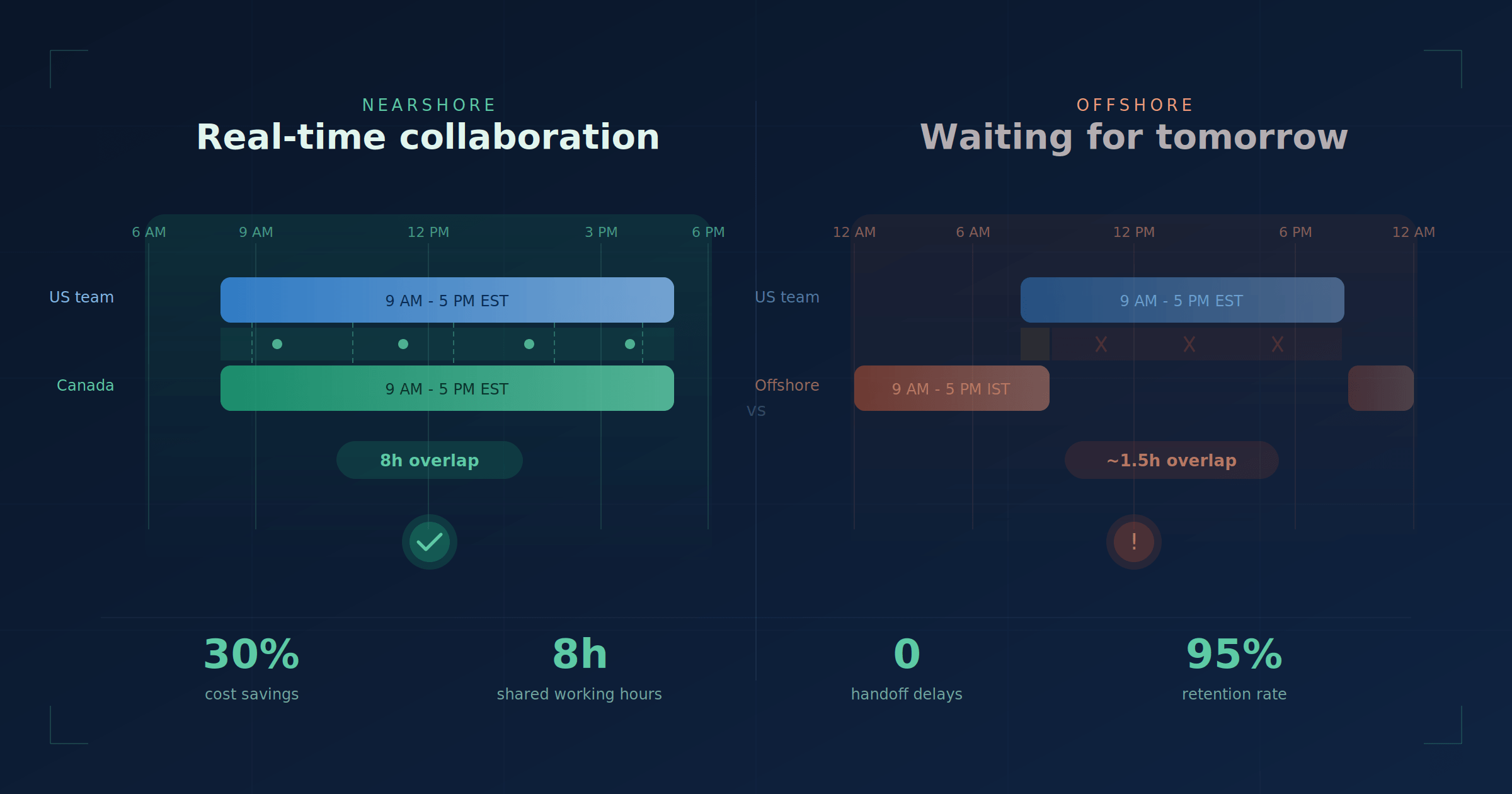
Why Time Zone Alignment Matters More Than Cost Savings in Tech Hiring
Time zone misalignment kills engineering velocity. Canadian nearshore developers work your hours, ship faster, and cost less than offshore rework. Here is why alignment beats cheap rates.
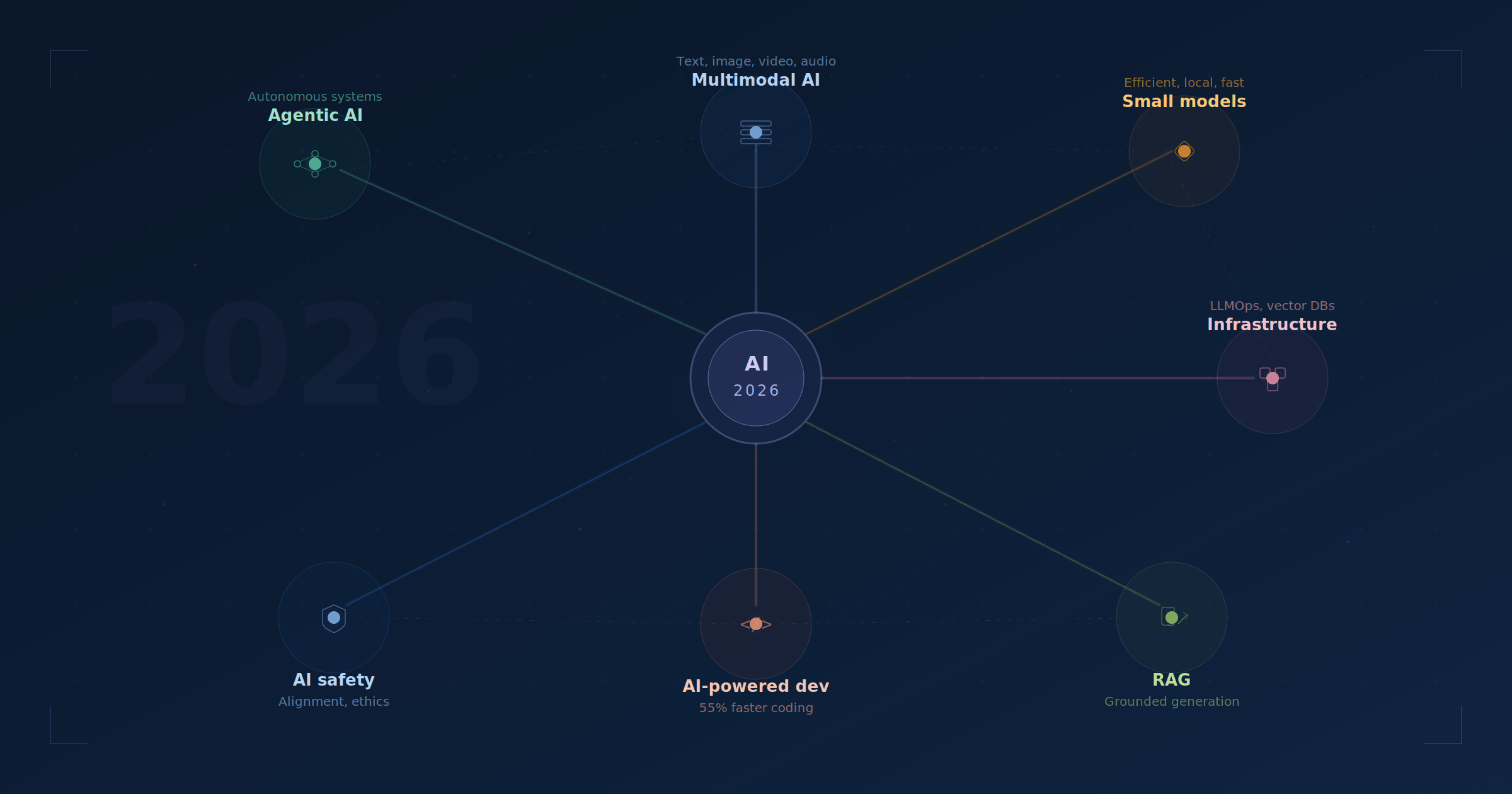
What US Companies Should Look for in AI Developers in 2026
AI trends reshaping tech hiring in 2026, from agentic AI to AI-powered development. What US companies should look for when hiring developers who can build with AI.
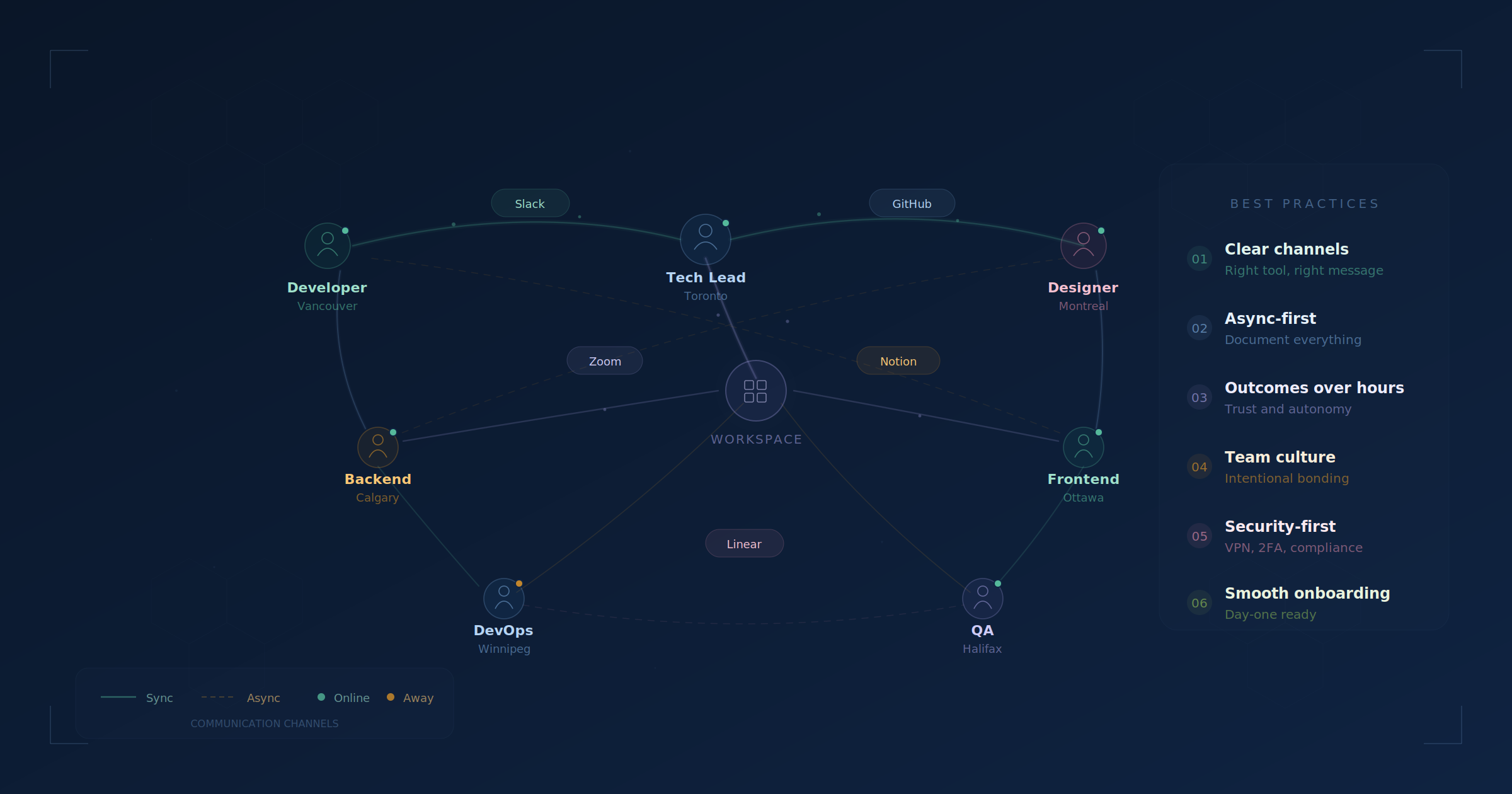
Remote Work Best Practices for Canadian Nearshore Development Teams
Build high-performing remote teams with Canadian developers. Best practices for cross-border collaboration, timezone alignment, async workflows, and nearshore team integration for US companies.