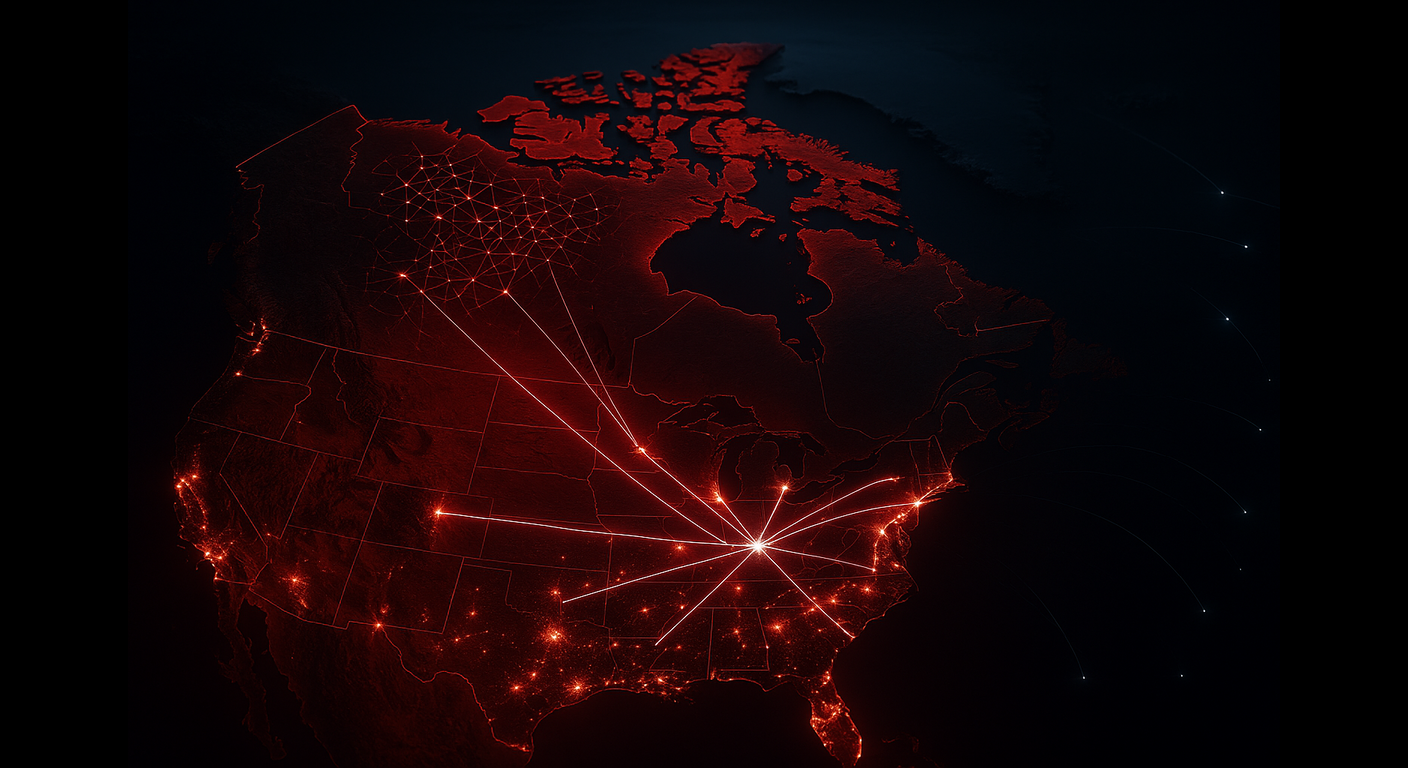
The shortage is real. AI and machine learning engineer openings jumped 101% year-over-year, and according to recent hiring data, the field faces a 63% talent shortage globally. Half a million open AI roles competing for roughly 750,000 workers with the skills to fill them.
Your CTO is feeling it. Every week there’s another recruiter promising they have “an amazing AI engineer” lined up. Half of them don’t. The other half are asking for $300K and live in San Francisco.
So you consider offshore. It’s a natural move. The math looks good - developers in Bangalore or Manila cost 50-70% less than US equivalents. You could hire two or three for the price of one senior engineer. And with AI expertise so scarce, shouldn’t you be geographic-agnostic? Geography doesn’t matter when you’re hungry.
Except it does. Not for routine development work. But for AI talent - where knowledge is evolving weekly, where you need someone who can evaluate model outputs in real time, where a 12-hour time gap means decisions pile up overnight - offshore breaks down faster than you’d expect.
Nearshore, specifically Canadian talent, solves the problem that offshore creates.
The AI Talent Problem Offshore Can’t Solve
Offshore hiring for general development is a proven model. It’s used by thousands of companies. But AI talent is different, and the reasons why reveal something important about how the talent shortage is actually reshaping where to hire.
First, the knowledge velocity problem.
AI and ML are moving so fast that last year’s expertise is already deprecated. A developer who learned transformer architectures in 2024 is coming up short in 2026. The field assumes continuous learning - reading papers, experimenting with new frameworks, understanding what Claude or Gemini or the latest open-source model can actually do.
That’s hard to do in a 12-hour time gap.
When your AI engineer is offline, the decision-making freezes. Your team can’t validate an approach. They can’t ask “does this prompt strategy actually work?” They can’t get feedback on whether the output is hallucinating or accurate. They wait. And while they wait, your AI timeline slips.
Offshore works when work is async-friendly - when requirements are clear, deadlines are loose, and feedback cycles can stretch. That’s not AI development. That’s not even close.
Second, the knowledge loss problem.
Offshore attrition runs 20-30% annually. In most fields, that’s a cost problem. In AI, it’s a competitiveness problem.
An AI engineer who leaves takes their understanding of your models, your training pipelines, your evaluation strategies. They take context that can’t be documented. And because the field is moving so fast, replacing them doesn’t mean hiring someone with equivalent knowledge - it means hiring someone who’s trained on different frameworks, has different assumptions, and needs three months to catch up.
In nearshore teams with 5-10% annual attrition, that person probably stays. They’re embedded in your culture, they have equity upside, they’re building something they care about.
With offshore at 20-30% churn, you’re constantly in training mode.
Third, the quality question.
Not all AI engineers are equal. The difference between someone who can run a script that uses an LLM API and someone who can evaluate whether a model is trustworthy is enormous.
When your founder runs a software company (which gives DecodeTalent its edge), they can spot the difference. They’ve read the papers. They know what “actually good” looks like. Most recruiters can’t tell. They pattern-match keywords: “transformer,” “RLHF,” “fine-tuning.” An offshore hiring agency will do the same. So you get someone who knows the vocabulary but hasn’t solved the problems.
You need someone who can think through the architecture. Who can debate whether you should fine-tune or use prompt engineering. Who understands why that approach matters for your use case, not just in theory.
Nearshore teams - especially those vetted by someone with technical credibility - don’t have that problem.
Why Nearshore, Specifically Canadian Nearshore
You could hire nearshore talent from Latin America, Eastern Europe, Poland. And many companies do. The time zone overlap is better than offshore. The cost savings still apply.
But for AI talent specifically, Canada has become a hidden advantage that most companies haven’t noticed yet.
The numbers are striking. AI workforce growth in Canada jumped 45% year-over-year. Toronto, Montreal, and Vancouver account for 60% of Canada’s AI-specialty talent. Toronto ranks third in all of North America for tech talent concentration, behind only San Francisco and Seattle.
That’s not accidental. It’s the Waterloo effect - a computer science program that’s become a pipeline for AI talent - plus concentrated investment by companies like Google, Microsoft, and Shopify, all of whom maintain significant AI teams in Canada.
So Canada has the supply. What it also has is something equally rare for nearshore hiring - time zone overlap.
Canada is in the same or adjacent time zones as your US headquarters. Your CTO in NYC has a 3-hour advantage or 1-hour delay compared to a Toronto AI engineer. That’s breakfast time. That’s a quick synchronous call before your morning stands up. It’s not offshore.
And the cultural alignment is real. A Canadian engineer and a US engineer speak the same work culture. They operate in the same timezone-adjacent meetings. Onboarding happens faster because the friction is lower. They’re not asking “why do we have meetings at 6 AM their time?” - the meetings just make sense.
Cost-wise, you’re looking at 40-60% savings compared to US developer equivalents, while keeping the synchronous advantages that offshore loses.
Add one more thing: Canada’s developer market is undersaturated relative to the US. Strong engineers there are often paid 20-30% less than they’d make in San Francisco, even adjusted for cost of living. That creates an unusual market dynamic where talent is high-quality, undercompensated relative to US peers, and actively looking for US-scale opportunities.
They’re not looking to move. They’re looking for a remote role that lets them stay in their city, work with a quality team, and earn US market compensation.
How Continuous Learning Changes the Equation
Here’s what most offshore staffing firms won’t tell you: they’re not built for talent development.
They find people, place them, move on. If your offshore engineer wants to improve, that’s on them. If they want to learn the latest in prompt engineering or multimodal models, they’re on their own dime.
DecodeTalent’s Decode Academy changes that equation.
The Academy is free for every placed candidate. It covers AI-led development, advanced systems architecture, interview mastery, and market insights - built specifically for the constraints of 2026 hiring. That means your AI engineer isn’t just solving today’s problem. They’re actively leveling up. They’re staying current as the field evolves.
From a hiring perspective, that’s massive. You don’t just get an AI engineer who knows transformers. You get one who’s continually learning what’s next - because the company they work for is investing in their growth.
Offshore shops can’t compete with that model. They don’t have the founder credibility. They don’t have the technical depth. They’re not structured around talent development.
The Decision
AI talent is scarce. You need it now. The pressure to hire fast is real.
Offshore feels like the answer. The math works on paper. You can hire multiple people for the price of one. The timezone objection seems fixable with async work and documentation.
Until you’re living it. Until your team is waiting for decisions. Until your AI engineer leaves and takes the context. Until you realize the person you hired can run code but can’t evaluate whether it’s trustworthy.
Nearshore - specifically Canadian nearshore - doesn’t have those problems.
You get the cost advantage of going outside the US market. You get the timezone overlap that keeps decision-making synchronous. You get the cultural alignment that makes onboarding fast. You get developers who are actively growing their AI skills, not just coasting.
And you get it with significantly lower turnover. When your AI engineer stays for three years instead of one, the knowledge accumulates. Your team gets faster. Your models get better.
That’s the difference.
If you’re building an AI team and geographic hiring is on the table, Canadian nearshore should be your first move before you even consider offshore. The tradeoff isn’t cost versus quality. It’s velocity and retention against savings you don’t actually see after you factor in attrition.
Ready to explore what Canadian AI talent looks like for your team? Book a discovery call with DecodeTalent - we’ll walk through your hiring needs, show you what the market actually looks like, and explore whether nearshore is the move for you.
More Insights

September 2026
Why Your Offshore Team Keeps Falling Apart: The 2026 Attrition Data (And What Actually Works)
Offshore teams lose 20-30% of developers annually. Nearshore retains better. Here is the data on why offshore churn happens and what companies are doing instead.

May 2026
The Three Forces Reshaping Tech Hiring in 2026 (And Why Canadian Talent Wins)
AI demand, H-1B restrictions, and skills-first hiring are colliding. Here is why nearshore Canadian talent is the competitive advantage smart companies are deploying.
March 2026
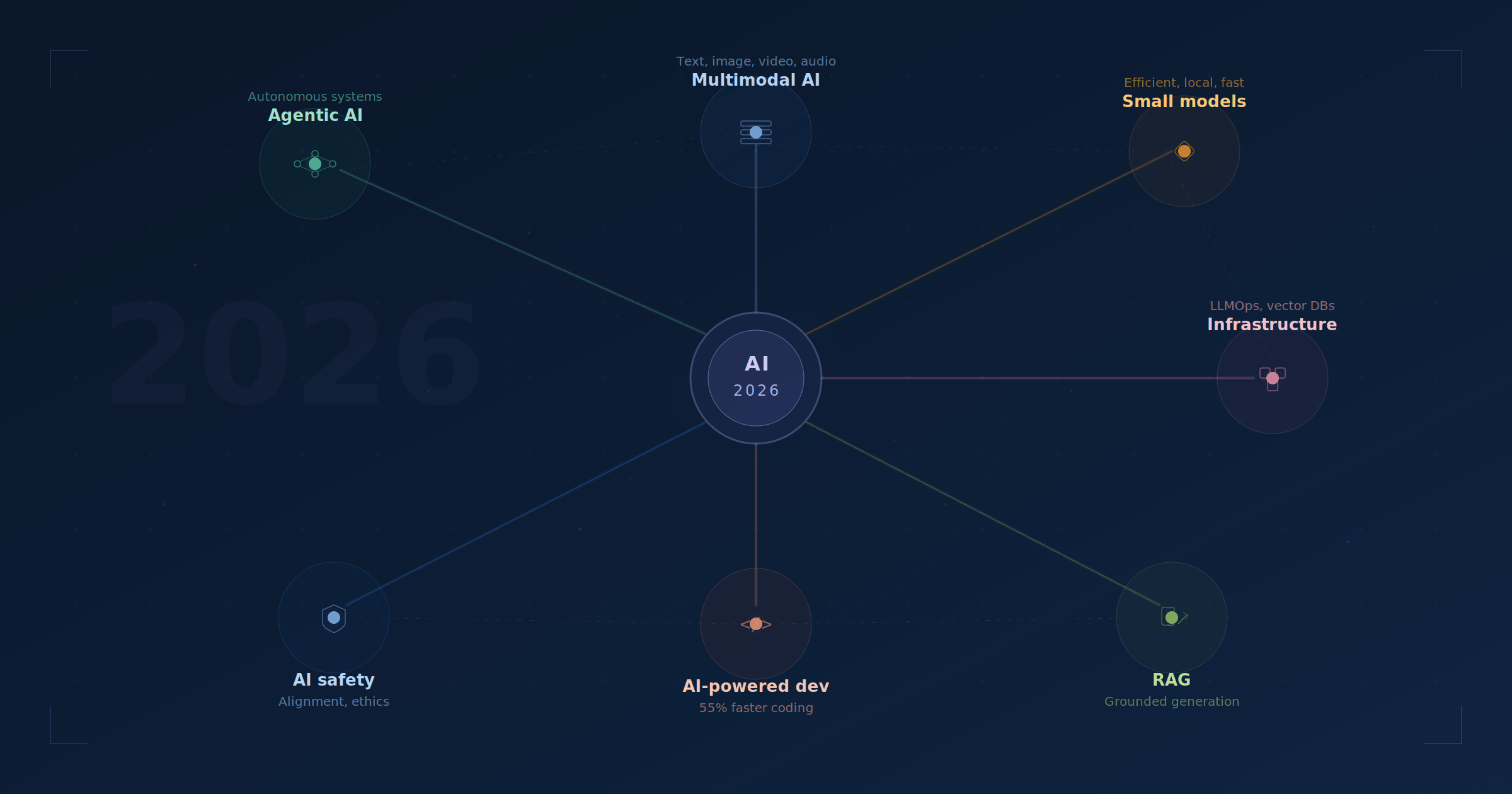
What US Companies Should Look for in AI Developers in 2026
AI trends reshaping tech hiring in 2026, from agentic AI to AI-powered development. What US companies should look for when hiring developers who can build with AI.