Remote Work Best Practices for Distributed Tech Teams
Essential strategies and tools for managing high-performing remote engineering teams across borders.
Managing a distributed tech team across borders comes with unique challenges and opportunities. In this guide, we’ll explore proven strategies for building and maintaining high-performing remote engineering teams.
Communication is Everything
Effective communication is the foundation of successful remote teams. Here’s how to get it right:
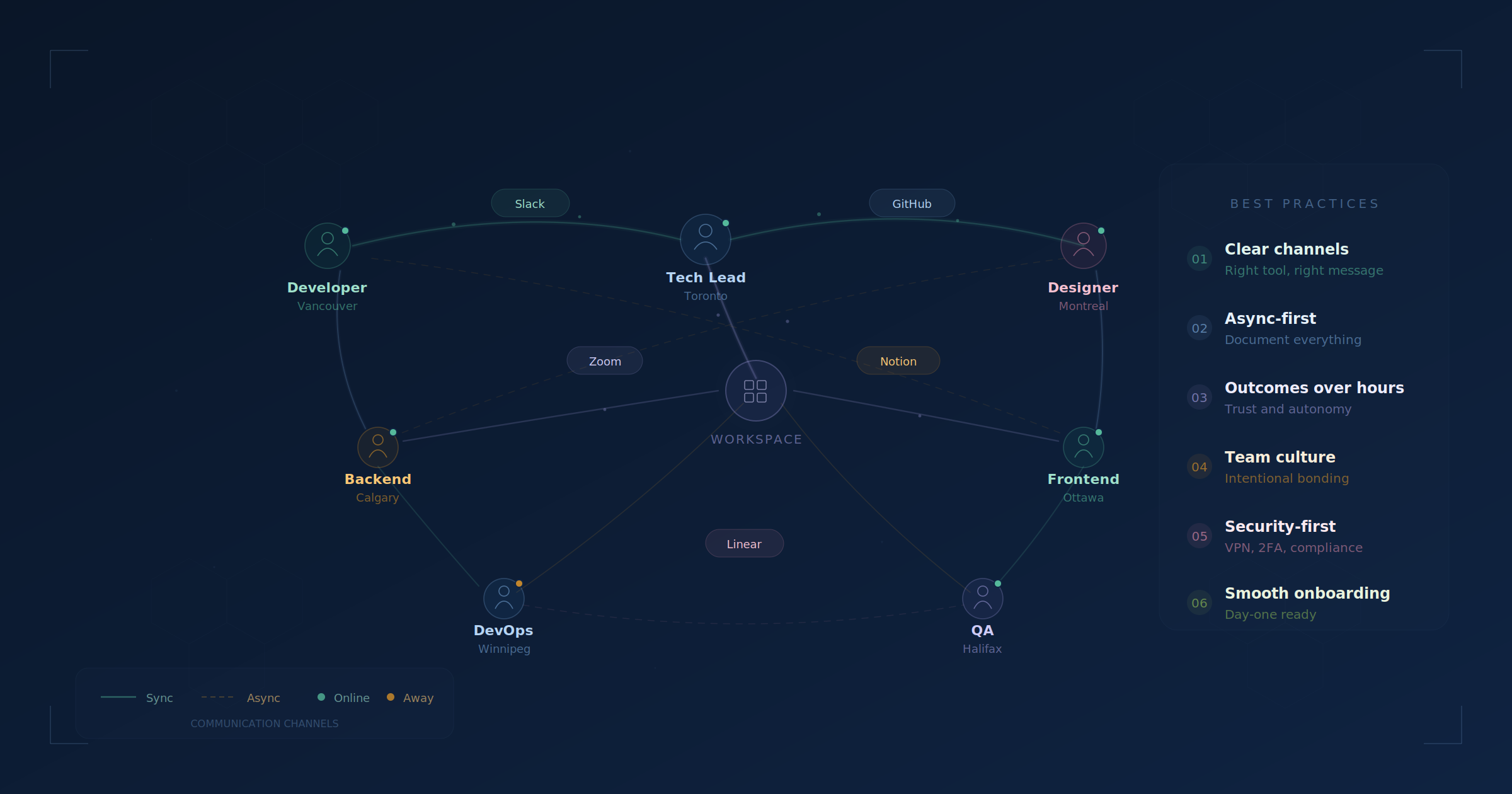
Establish Clear Communication Channels
- Async Communication: Use Slack, Teams, or Discord for day-to-day updates
- Video Meetings: Reserve Zoom/Meet for complex discussions and team bonding
- Documentation: Maintain comprehensive docs in Notion, Confluence, or similar tools
- Code Reviews: Use GitHub/GitLab for transparent code collaboration
Set Communication Expectations
Make it clear when team members should be available and how quickly they should respond to different types of messages. For example:
- Critical issues: Response within 1 hour
- Questions in team channels: Response within 4 hours
- Email: Response within 24 hours
Build a Strong Team Culture
Remote teams need intentional culture-building efforts:
Virtual Team Building
- Weekly casual video chats
- Virtual coffee breaks
- Online gaming sessions
- Annual in-person team retreats
Recognition and Celebration
- Public shoutouts for achievements
- Virtual celebration meetings
- Bonus and reward programs
- Career development opportunities
Tools for Success
Equip your team with the right tools:
Development Tools
- Version Control: GitHub, GitLab, Bitbucket
- CI/CD: Jenkins, CircleCI, GitHub Actions
- Monitoring: Datadog, New Relic, Sentry
- Project Management: Jira, Linear, Asana
Collaboration Tools
- Video Conferencing: Zoom, Google Meet, Microsoft Teams
- Messaging: Slack, Discord
- Documentation: Notion, Confluence, GitBook
- Whiteboarding: Miro, Figma
Managing Across Time Zones
When your team spans multiple time zones:
Optimize Meeting Times
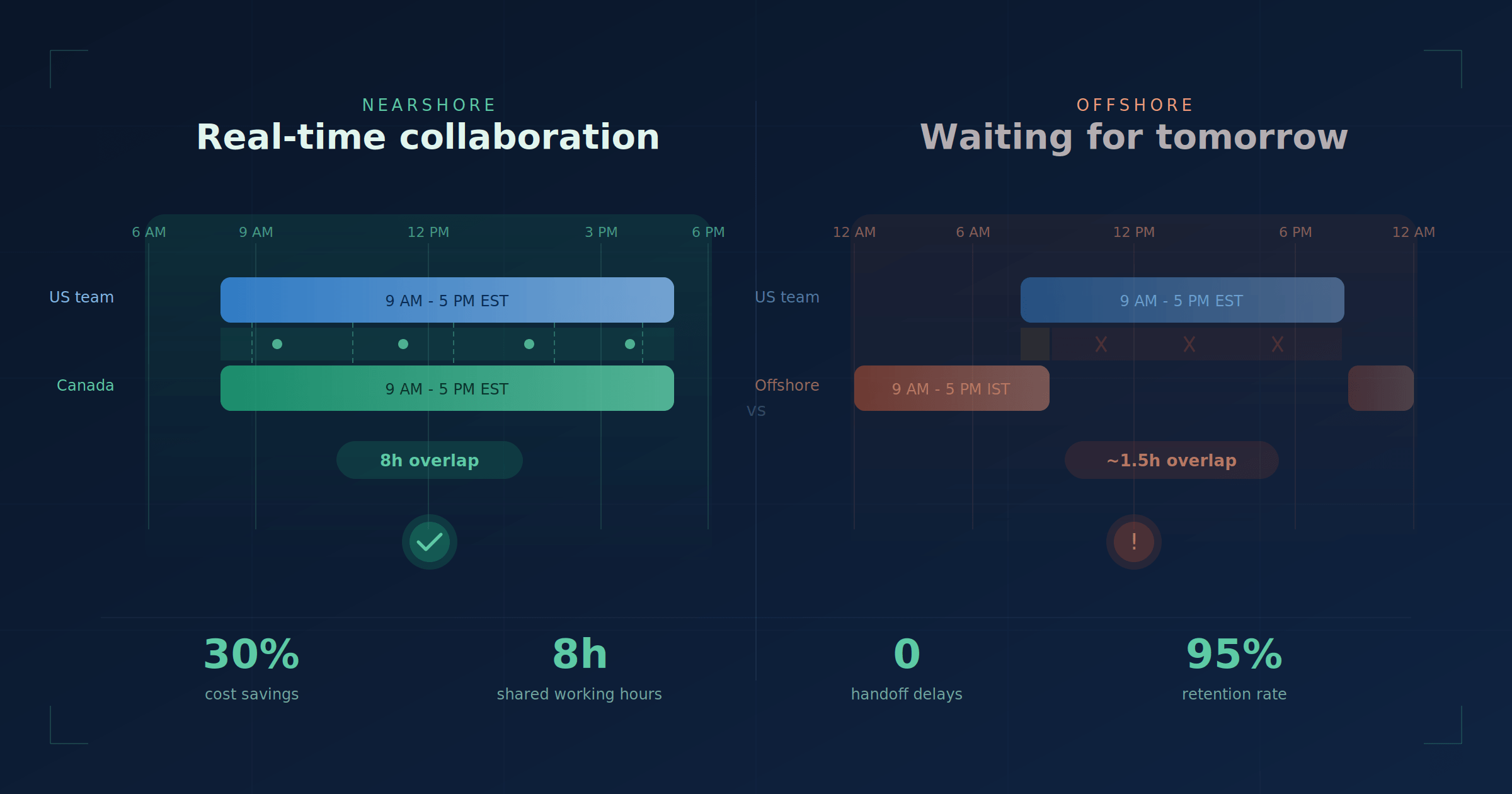
- Find overlapping hours that work for everyone
- Rotate meeting times to share the burden
- Record meetings for those who can’t attend
- Keep meetings short and focused
Embrace Async Work
- Write detailed tickets and requirements
- Use async video updates (Loom, Vidyard)
- Document decisions thoroughly
- Trust your team to work independently
Performance Management
Remote performance management requires new approaches:
Set Clear Goals
- Use OKRs or similar frameworks
- Define measurable outcomes
- Review progress regularly
- Adjust goals as needed
Focus on Outcomes, Not Hours
- Measure productivity by results
- Trust your team’s work ethic
- Avoid micromanagement
- Encourage work-life balance
Security and Compliance
Protect your company and your team:
Security Best Practices
- Use VPNs for secure connections
- Implement 2FA everywhere
- Encrypt sensitive data
- Regular security training
- Clear BYOD policies
Legal Compliance
- Understand employment laws in each jurisdiction
- Use proper contracts and agreements
- Comply with data protection regulations
- Work with experts for cross-border employment
Onboarding Remote Team Members
First impressions matter, especially remotely:
Pre-Day One
- Send equipment ahead of time
- Provide access to all tools
- Share onboarding documentation
- Assign an onboarding buddy
Week One
- Structured orientation schedule
- 1:1s with key team members
- Clear first tasks
- Regular check-ins
Continuous Improvement
Always be optimizing:
- Regular team retrospectives
- Anonymous feedback surveys
- One-on-one check-ins
- Team health metrics
The DecodeTalent Advantage
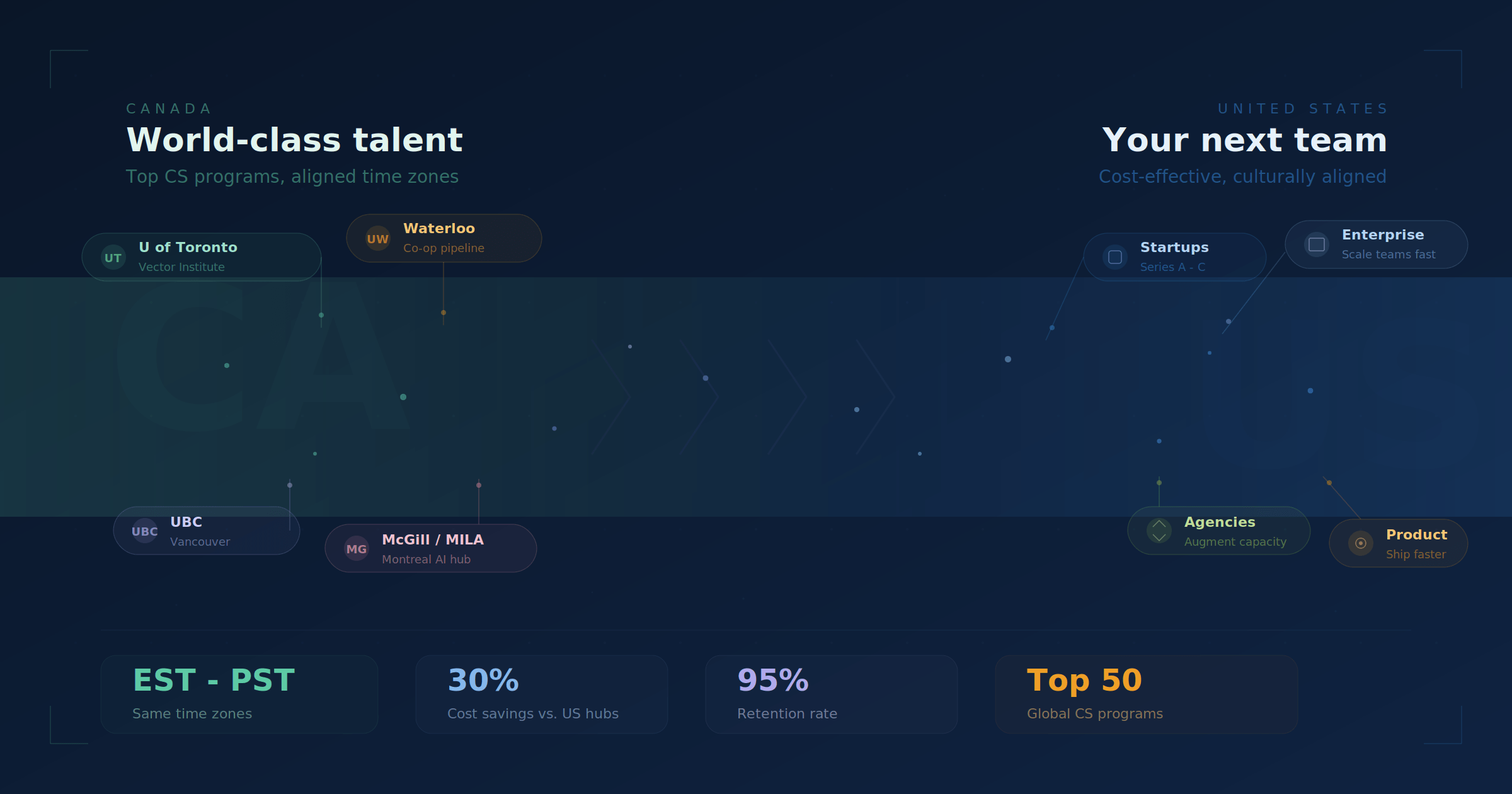
When you hire through DecodeTalent, we help you implement these best practices from day one. Our Canadian tech talent is already experienced in remote work and cross-border collaboration, making integration seamless.
We provide:
- Onboarding support
- Communication guidelines
- Cultural integration assistance
- Ongoing team health monitoring
Ready to build your world-class distributed team? Contact us today to learn how we can help.